Open course · Universities of Verona and Trento
Technology and Innovation in Sport
A hands-on introduction to mathematical modeling in sport science: how models are built and calibrated, where they fail, and how to use them in research and practice.
- modules
- 6
- modules
- extra models
- 5
- extra models
- of study
- ~5 h
- of study
- and open
- Free
- and open
The course
Six modules, one idea at a time
Each module builds on the previous one, with interactive charts you can change and checkpoint questions at the end.
- 1 35–45 min
Mathematical models
What a model is, its parts, and the steps from observation to a model you can use.
- Variables and parameters
- HRmax = 220 − age
- Force-length
- Hill equation
- VO₂max from climbs
- 2 45–60 min
Model calibration
Fitting parameters to data, the limits of a famous formula, and why extrapolation and overfitting mislead.
- RMSE
- Excel Solver
- Interpolation vs extrapolation
- Overfitting
- 3 30–40 min
Static models
Fixed-formula models of sport: the power-duration curve, the VO₂ response to a step, and the lactate curve after exercise.
- Critical power and W′
- 3-min all-out test
- VO₂ kinetics
- Lactate kinetics
- 4 65–80 min
Dynamic systems
From static to dynamic: VO₂ dynamics, the Banister model, one equation for many systems, a bike suspension and the motion of a cyclist.
- Static vs dynamic
- Finite differences
- Banister model
- Mass-spring-damper
- Equation of motion
- 5 40–50 min
AI models
Neural networks from a single neuron, the curse of dimensionality, and how a language model predicts text.
- Perceptron
- ReLU
- Training vs validation
- LLMs
- 6 30–40 min
The power of models
Models behind real decisions, association vs causation, and what a model must show before you use it.
- Insurance and crash data
- Spurious correlations
- Responsibility of modelers
Go further
Extra models
Optional and more advanced than the modules: each page works through one model from research in depth, with its own interactive chart. Take them after the module they build on.
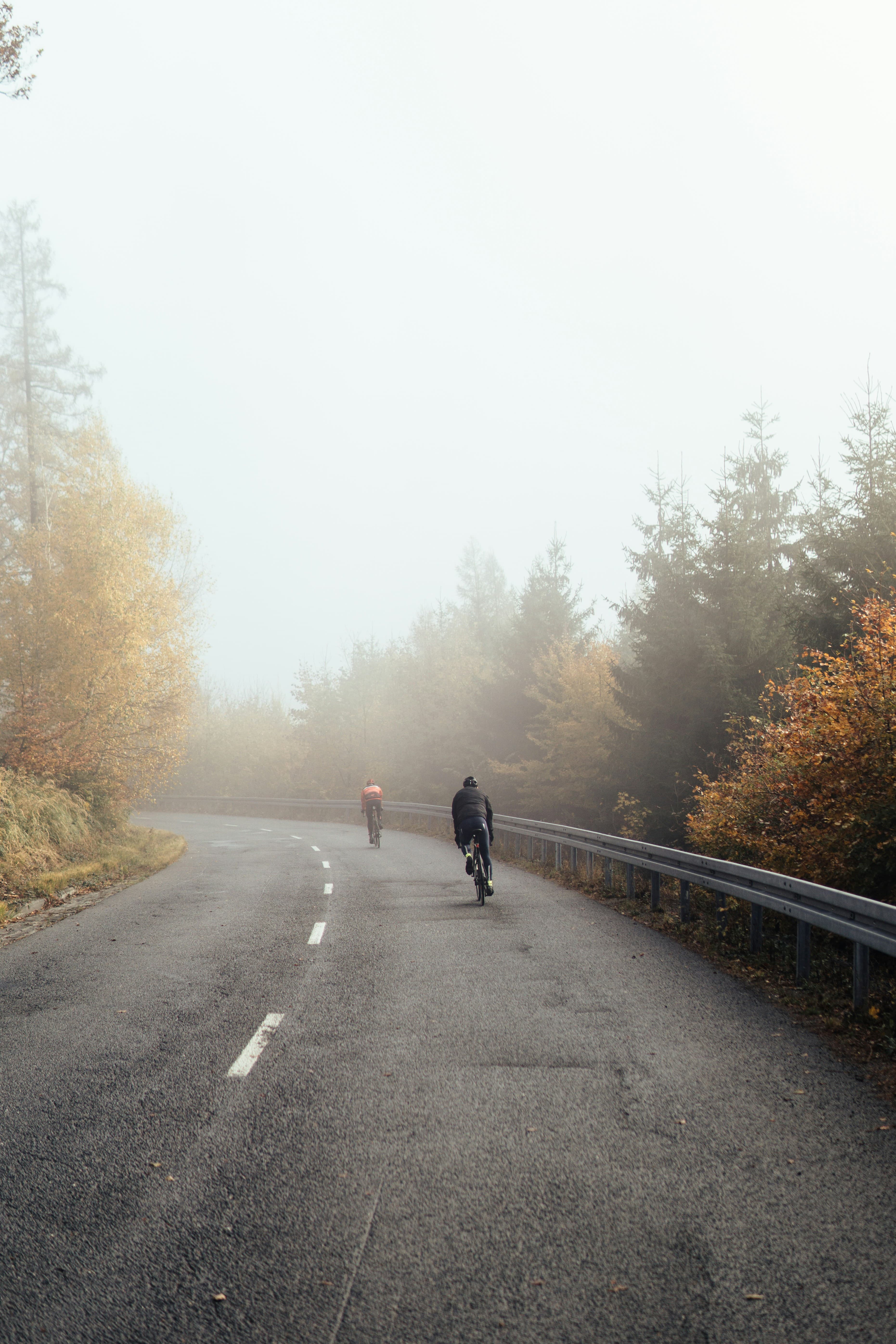
Builds on Module 4
W′ balance
How W′ is used up above critical power and recovered below it, interval by interval.
- Critical power
- HIIT
- Excel
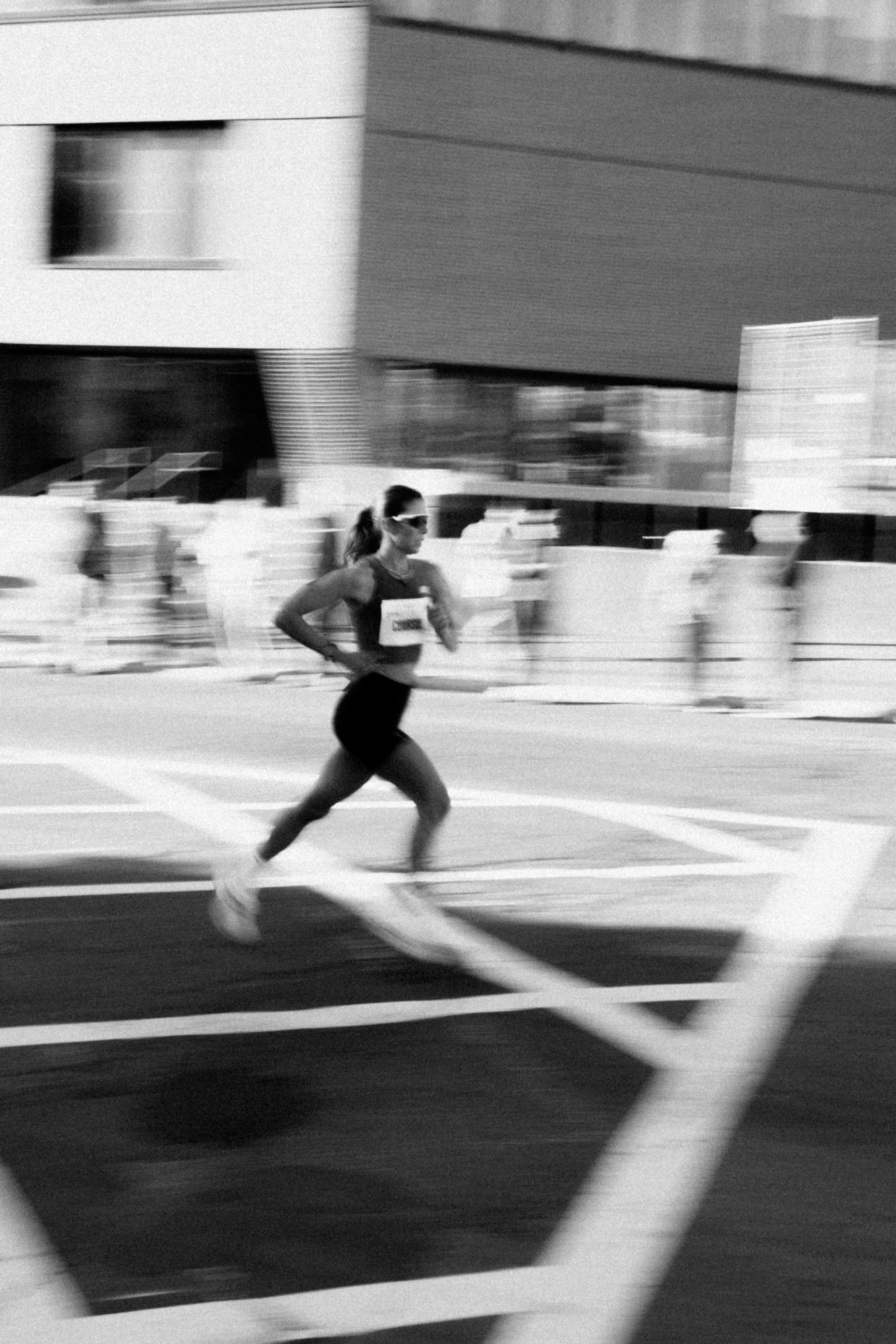
Builds on Module 4
Workout Reserve
Ten exponentially weighted means of power that track the margin to your best, in real time.
- EWM
- Fatigue
- Pacing
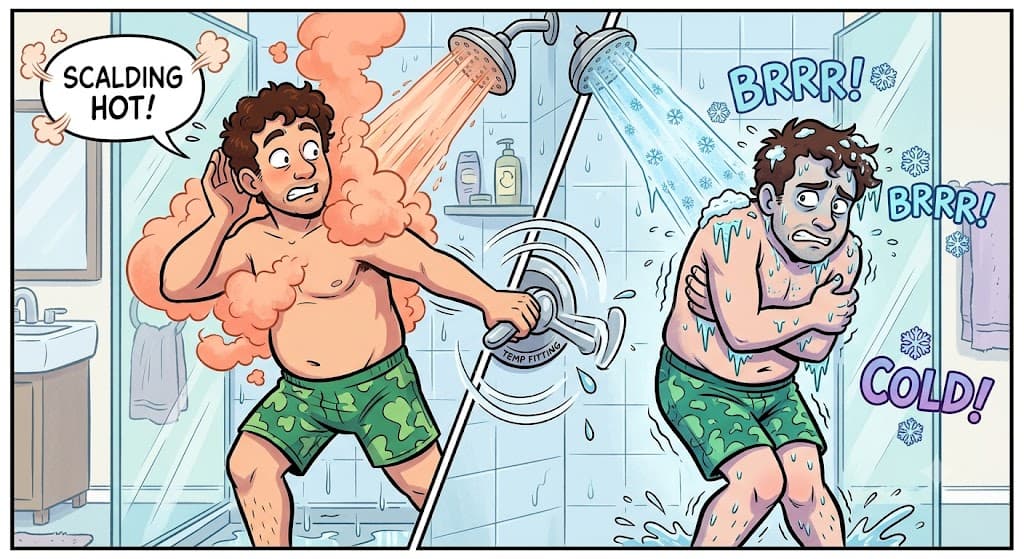
Builds on Module 4
Loop gain and oscillatory breathing
Why a feedback loop with a delay oscillates, from a shower with a long pipe to a real exercise test.
- Feedback
- Delay
- CPET
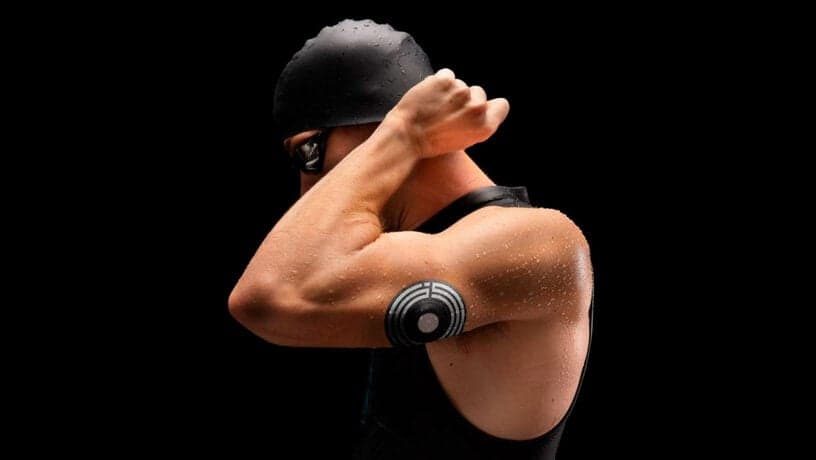
Builds on Module 5
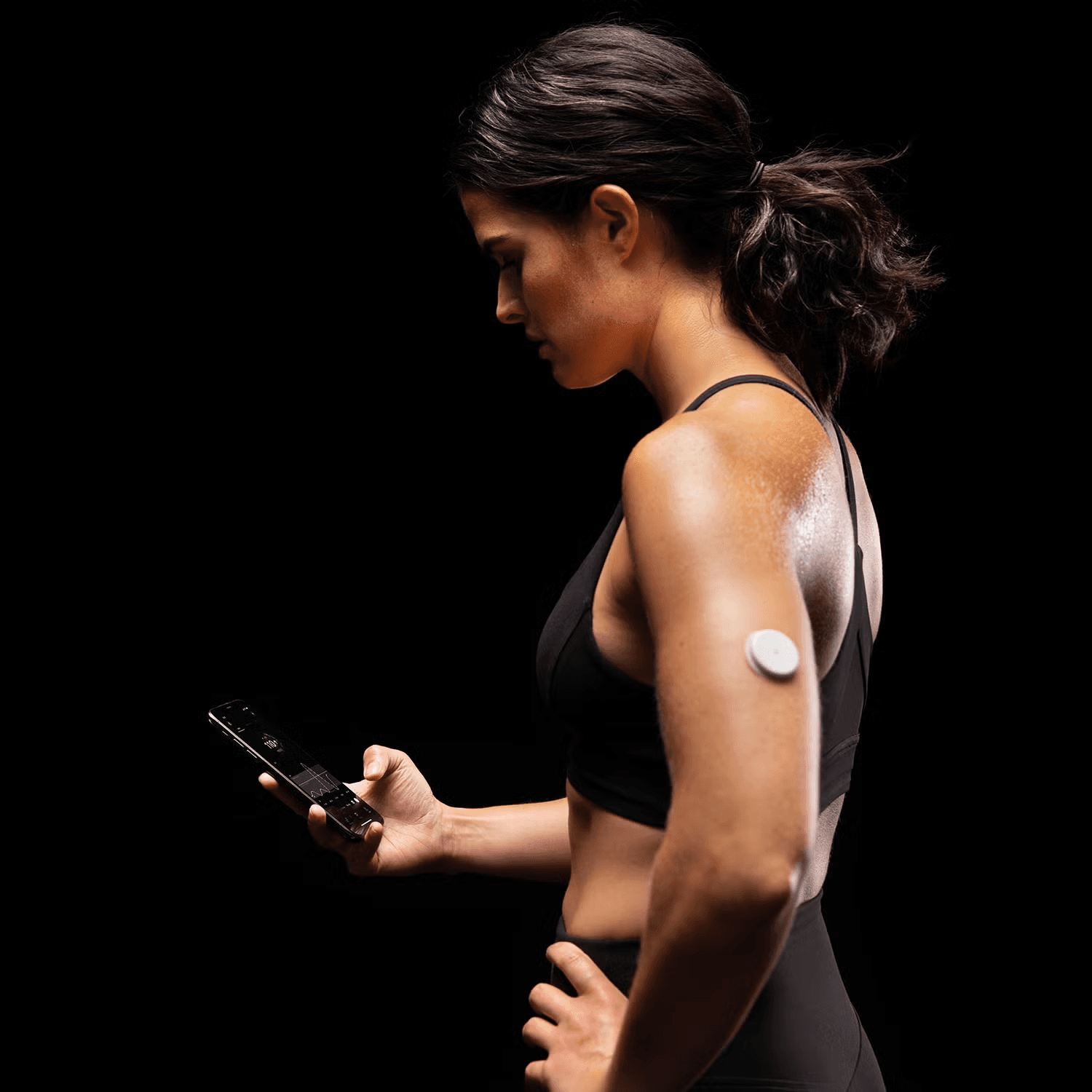
Glycemic response
A machine-learning model that predicts the shape of the glucose response to a meal.
- CGM
- Machine learning
- Nutrition
Builds on Module 6
Reactive hypoglycemia
How the timing of a pre-exercise meal changes the risk of a glucose drop, from 6,761 athletes.
- CGM
- Meal timing
- Probability
Talks
Presentations
Slides from lectures and conferences, some with live models and charts.
About the course
Where the course comes from, what it covers, exam preparation for in-person students, and the terms for reusing the material.
Study with NotebookLM
A free Google NotebookLM notebook built on the course, as an extra study aid. I cannot guarantee the accuracy of what Gemini generates.
Support this project
If my work has helped you, you can support it by buying me a coffee. It helps me maintain and improve the course.